The Illusion of Space: Designer Tricks for Boundless Rooms
Not every home arrives with soaring ceilings and generous proportions. Some of Melbourne’s most charming interiors sit within Victorian terraces in Albert Park, compact apartments in South Yarra and single-fronted cottages in Port Melbourne, which draw from the illusion of space rather than generous meterage.
Square metres matter far less than you might imagine. With a handful of considered decisions, creating the illusion of space is entirely within reach, and the result feels calm, gracious and unmistakably yours.
Mirrors and Reflective Surfaces Add Depth to Compact Interior Spaces
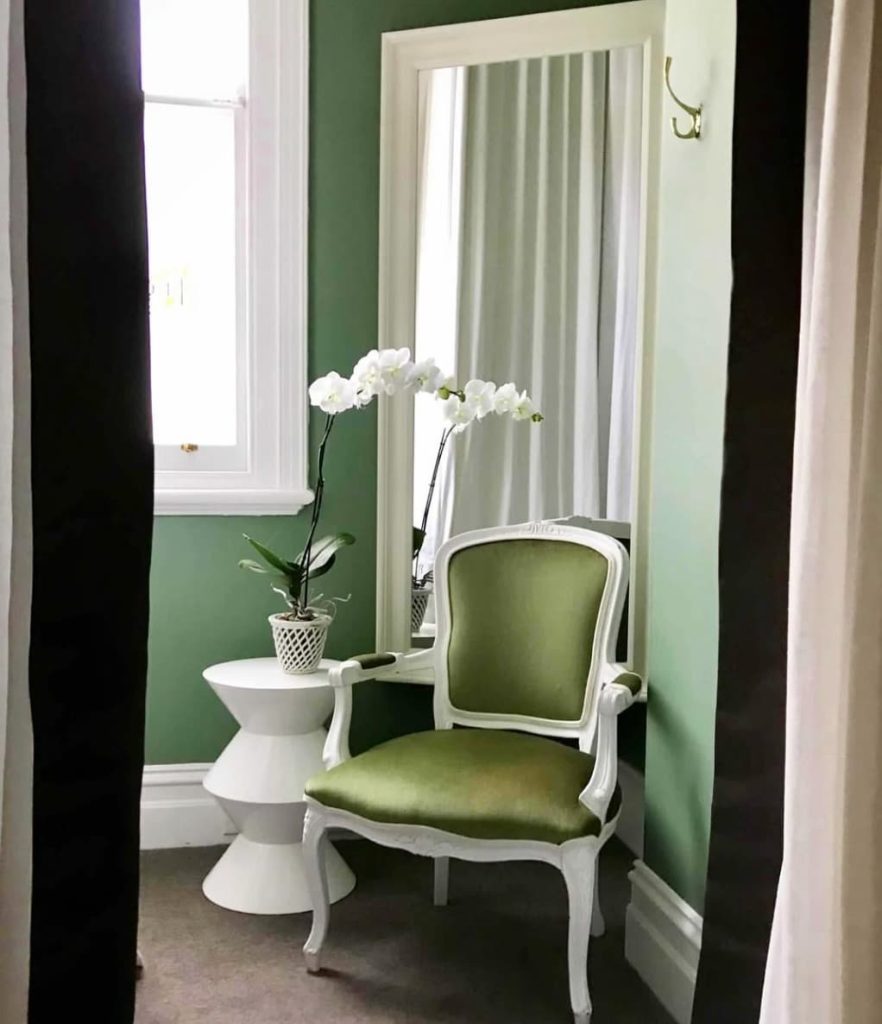
A well placed mirror is the most generous piece of furniture you will ever own. Hang one opposite a window and it will borrow the garden, the sky and the afternoon light, then hand them back to the room.
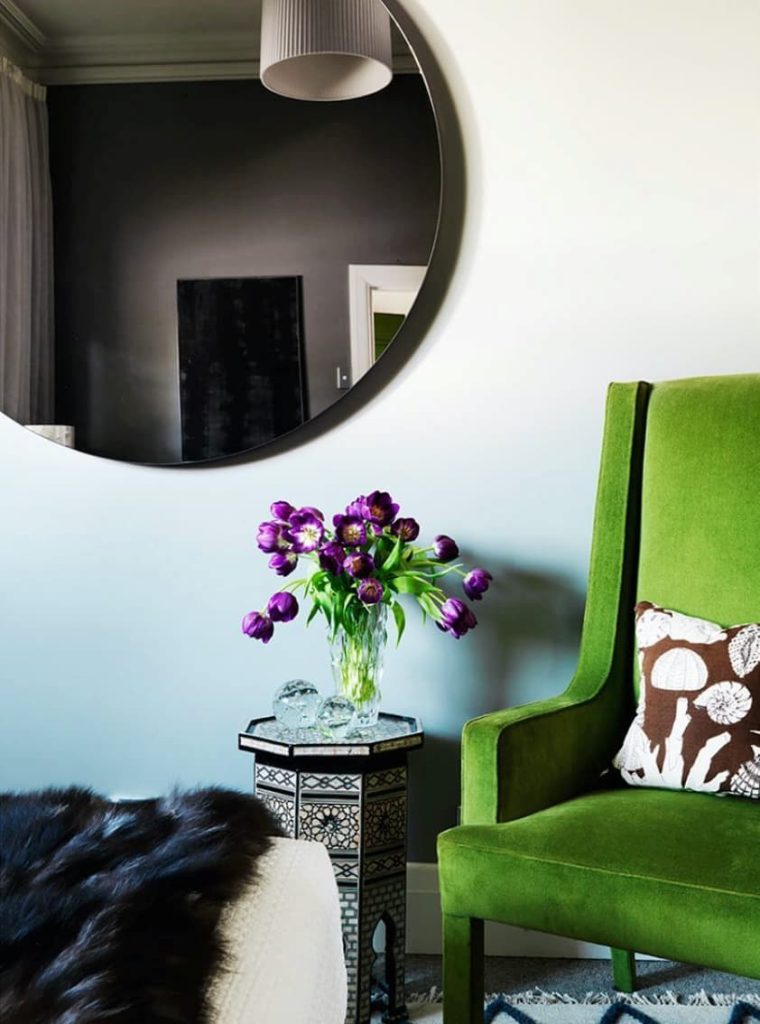
One large antique mirror will always work harder than a scattering of small ones. Glass topped tables, polished metal, glazed ceramics and a lacquered tray all contribute in smaller ways, bouncing light into corners that would otherwise fall flat.
Vertical Lines and Tall Furniture Draw the Eye Upward
Height is the most underused dimension in the home. Tall bookcases, elongated wall patterns, a slim floor lamp or a generous potted olive all encourage the eye to travel up, suggesting ceilings that are loftier than they truly are.
Window dressing deserves particular attention. Hang curtains close to the ceiling and a little wider than the frame, and allow them to just brush the floor. A rug that is too small will shrink a room, so size yours generously and leave an even margin of floor showing at the edges.
Open, Multi-Functional Furniture is the Heart of Space-Maximising Interior Design
Space-maximising interior design begins with pieces that earn their keep. A foldable table, wall mounted shelving, a nest of side tables or a storage ottoman will each serve two purposes while occupying the footprint of one.
Look for furniture raised on slender legs, too. When you can see the floor continuing beneath a sofa or console, the room reads as larger. Floating a chair or two away from the walls, rather than pushing everything to the perimeter, creates depth and a far more inviting arrangement.
Light Colours Lay the Foundation for the Illusion of Space
Begin with your palette. Whites, soft greys and chalky pastels reflect far more light than deeper tones, so walls and furniture in these shades allow a room to breathe.
The trick many designers rely on is continuity. Carry a single pale tone across walls, skirting boards and joinery so the eye finds no hard boundary to stop at. Upholstery in pale linen or brushed cotton does the same quiet work, softening the edges of a room rather than punctuating them.
Plan Your Space Around Light, Sightlines and a Considered Edit
Before you buy anything, plan your space on paper. Identify the natural walkway through the room and keep it clear, then consider what you see from the doorway. A window, a fireplace or a beautiful object will pull the gaze through and beyond.
Finally, edit. Group accessories in threes, leave a surface or two entirely empty, and resist filling every ledge. A room with room to pause always feels larger than one that is beautifully but busily full.
Creating the illusion of space, in the end, has far more to do with perception than measurement. Light, reflection, height and restraint will do more for a modest room than any renovation.
Visit us in-store or contact us and we will happily help you find the pieces that make your rooms feel boundless.